At Christopher Farr Cloth, we’ve been actively exploring both the benefits and the drawbacks of AI in the workplace. As part of this discovery, our team attended “Creative Activation in the Age of AI”, a workshop hosted by Future Snoops at RSA House in London.
Future Snoops’ future-focused approach opened the discussion beyond tools and trends and into a more nuanced, important space: the tension between creativity and automation.
One of the most compelling points in the session was the idea of dissonance. The discomfort that sits between what creativity is and what AI can do.
Creativity is emotional. Human. Contextual. It relies on intuition, contradiction, curiosity, taste.
AI is patterned. Efficient. Fast. It is trained on what has already existed, rather than what might be possible next.
And yet, AI can also support the creative process, not as a replacement for imagination, but as a scaffolding around it. A tool for acceleration, iteration, and organisation.
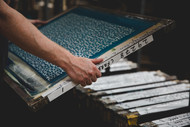
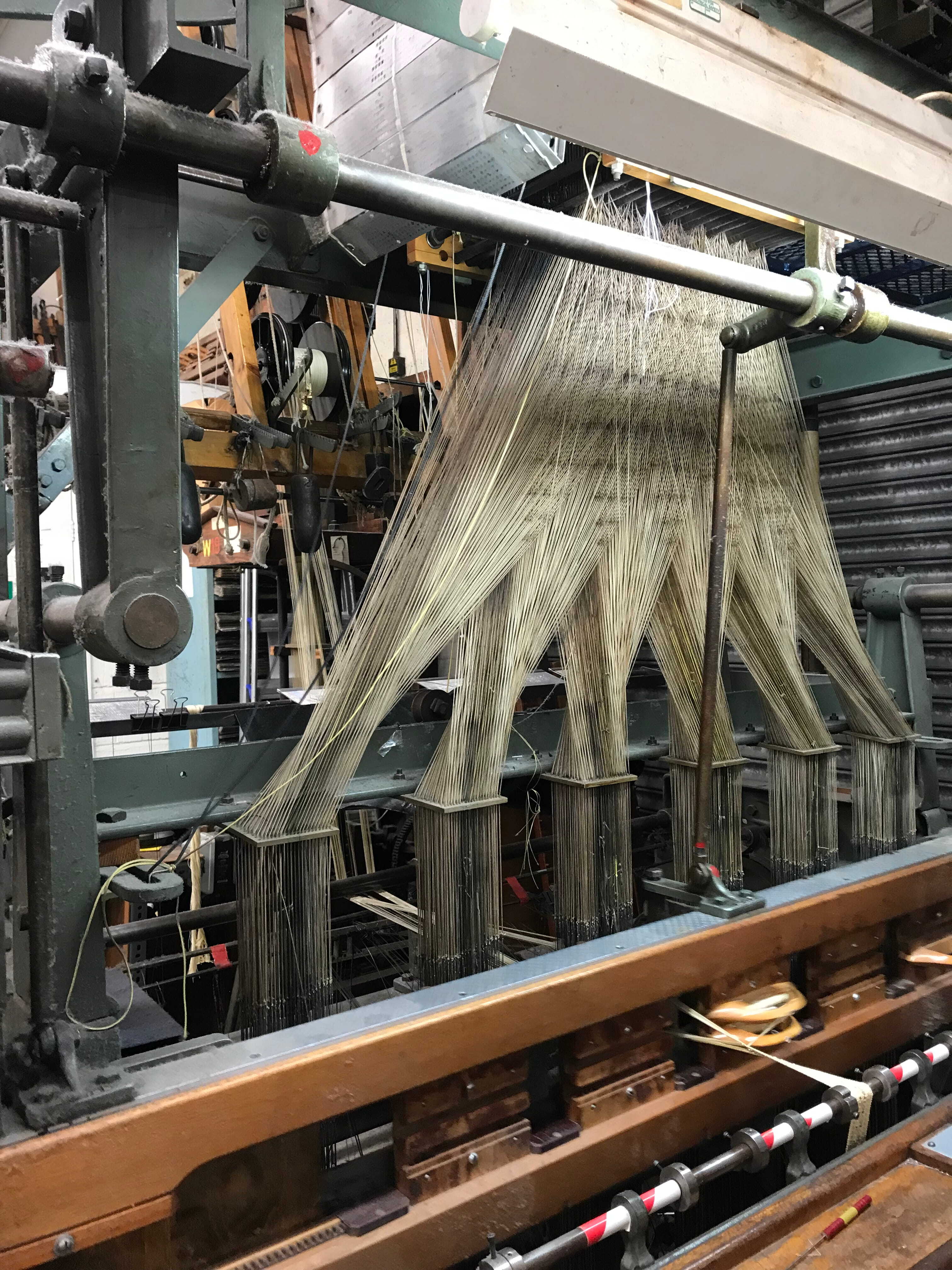
For us, the line is clear: we don’t want to lose the personal touch. We still believe the human hand, the trained eye, the instinct, the sensibility is what makes creative work feel interesting, personable, and real. This matters deeply to us, and it sits at the heart of our business model.
At the same time, moving forward can be a creative act too. As we invest in better systems; from a new website to more streamlined ways of working, we’ve found that technology can return time to the studio. It gives us more space to share our stories with greater clarity online, to present stronger imagery, and to support our clients with tools that make specifying, ordering, and checking prices more efficient. When embraced thoughtfully, technology can be powerful and positive not as a replacement for creativity, but as a way of making more room for it.
The real question isn’t whether AI and creativity can coexist. It’s how we choose to shape the relationship.